
|

|

|
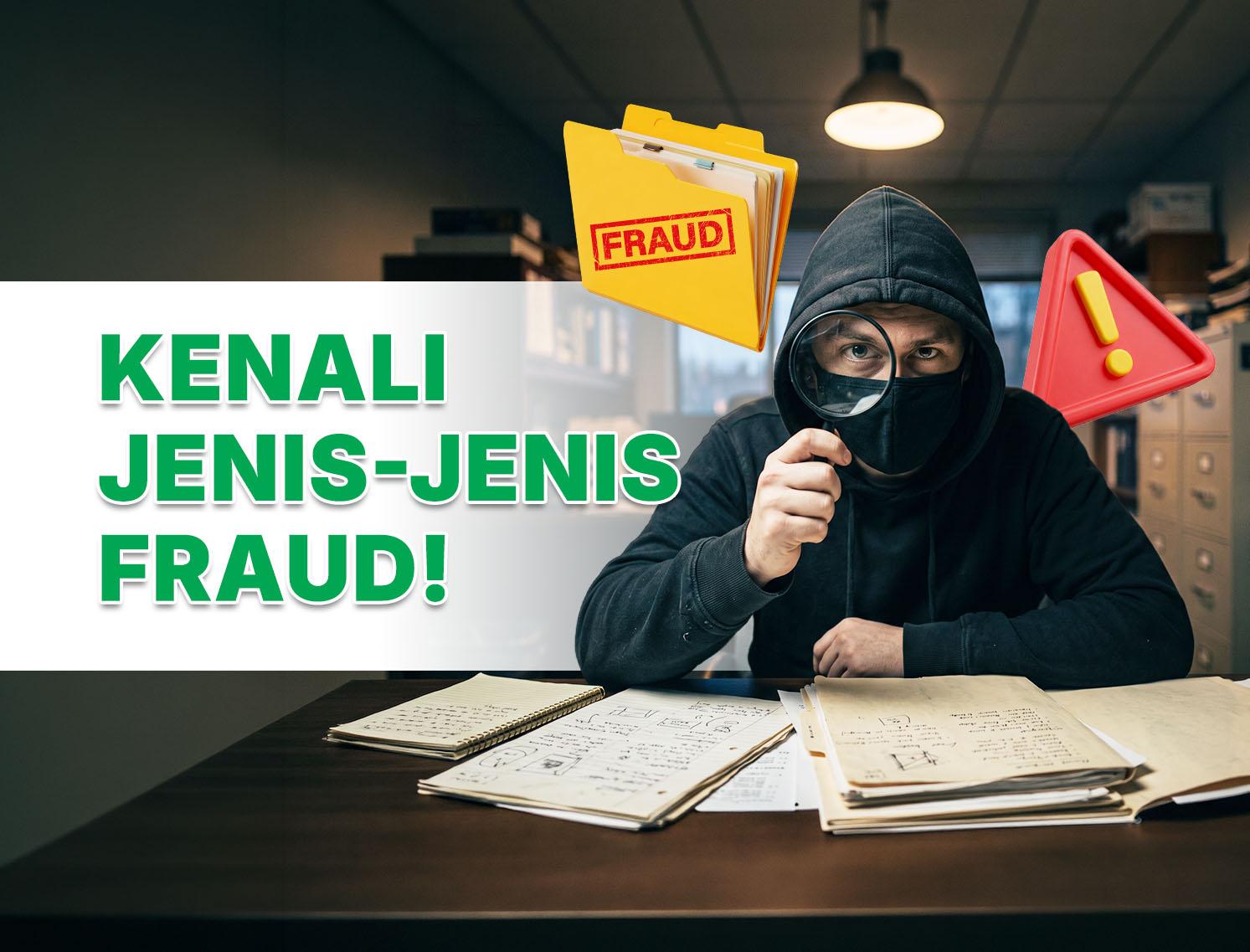
Fraud rarely announces itself with obvious warning signs. It slips in through small openings: trust that gets abused, a document that looks legitimate but isn't, or data that changes hands without its owner ever noticing. Because it takes so many shapes, the first step toward protecting yourself and your company is learning to recognize the patterns. Here are the four main categories of fraud worth understanding.
1. Abusing a Position for Personal Gain
The first category emerges when someone exploits the position, authority, or trust they've been given for purposes it was never meant to serve. This can look like using company facilities for matters unrelated to work, taking company assets without entitlement, or granting unauthorized advantages to certain parties.
This often happens precisely because a strategic position opens the door, not because the system itself is weak. Keeping a clear line between authority and personal interest is the foundation of workplace integrity.
2. Lies Dressed Up to Look Convincing
The second form involves deception engineered to appear credible. Perpetrators may hand over false information to obtain money, pitch an investment scheme that never actually existed, promise a fake prize or lottery win, or even impersonate someone else so the victim lets their guard down.
Schemes like this rely on one thing: trust extended before any verification takes place. A critical mindset and the habit of double-checking before believing something are the most effective defenses.
3. Documents and Data That Have Been Tampered With
Not everything that looks official is actually legitimate. Forgery covers creating or altering documents, signatures, or transaction records to make them pass as genuine. In practice, this shows up as fabricated identity documents, altered financial reports, forged signatures, or manipulated proof of payment.
The risk usually surfaces later, once the damage is done and its origin is hard to trace. Verifying a document's authenticity upfront is far cheaper than dealing with the fallout afterward.
4. Information That Leaks, Whether Intended or Not
The last category concerns sensitive data ending up in the wrong hands, whether through deliberate action or plain carelessness. Examples include sharing personal data with unknown parties, posting confidential information on social media, sending sensitive data to unauthorized recipients, or leaving important documents in public spaces.
Leaks like these are often dismissed as trivial, yet their consequences can ripple far and wide, from identity misuse to financial losses suffered by others.
5. Other Forms of Misconduct Worth Watching For
Beyond these four categories, fraud can also take the shape of accepting gratuities, money laundering, asset theft, and various other forms of misconduct. The variations are wide-ranging, but they share the same root: gaining an advantage by breaking trust and violating the rules in place.
If You Spot the Signs, Don't Stay Silent
Noticing signs of fraud and choosing to stay quiet only lets the damage continue. Any indication of fraud or misconduct you become aware of can be reported through iSPEAK at ispeak@jaccs-mpmfinance.com.
Reporters' identities are kept confidential, and every report received is followed up on seriously. Beyond this internal channel, companies can also report fraud perpetrators through SIPELAKU OJK (the Financial Services Sector Perpetrator Information System) in accordance with applicable regulations.
Preventing fraud isn't the responsibility of any single party. It starts with each individual's willingness to not look away from something suspicious, and the courage to report it before the damage spreads.
|
Get the latest news & updates
|
|

PT JACCS Mitra Pinasthika Mustika Finance Indonesia
Gedung Lippo Kuningan Lantai 25,
Jalan H.R. Rasuna Said Kav B-12 Karet Kuningan Kota Jakarta Selatan, DKI Jakarta 12940 |
|
|||||||
|
JACCS MPM Finance Indonesia is Authorized and Supervised by Otoritas Jasa Keuangan


©2026. PT JACCS MPM Finance Indonesia. All Rights Reserved
|


